
Strand E: Earth and Space Systems
NOTE FOR THE PARENT
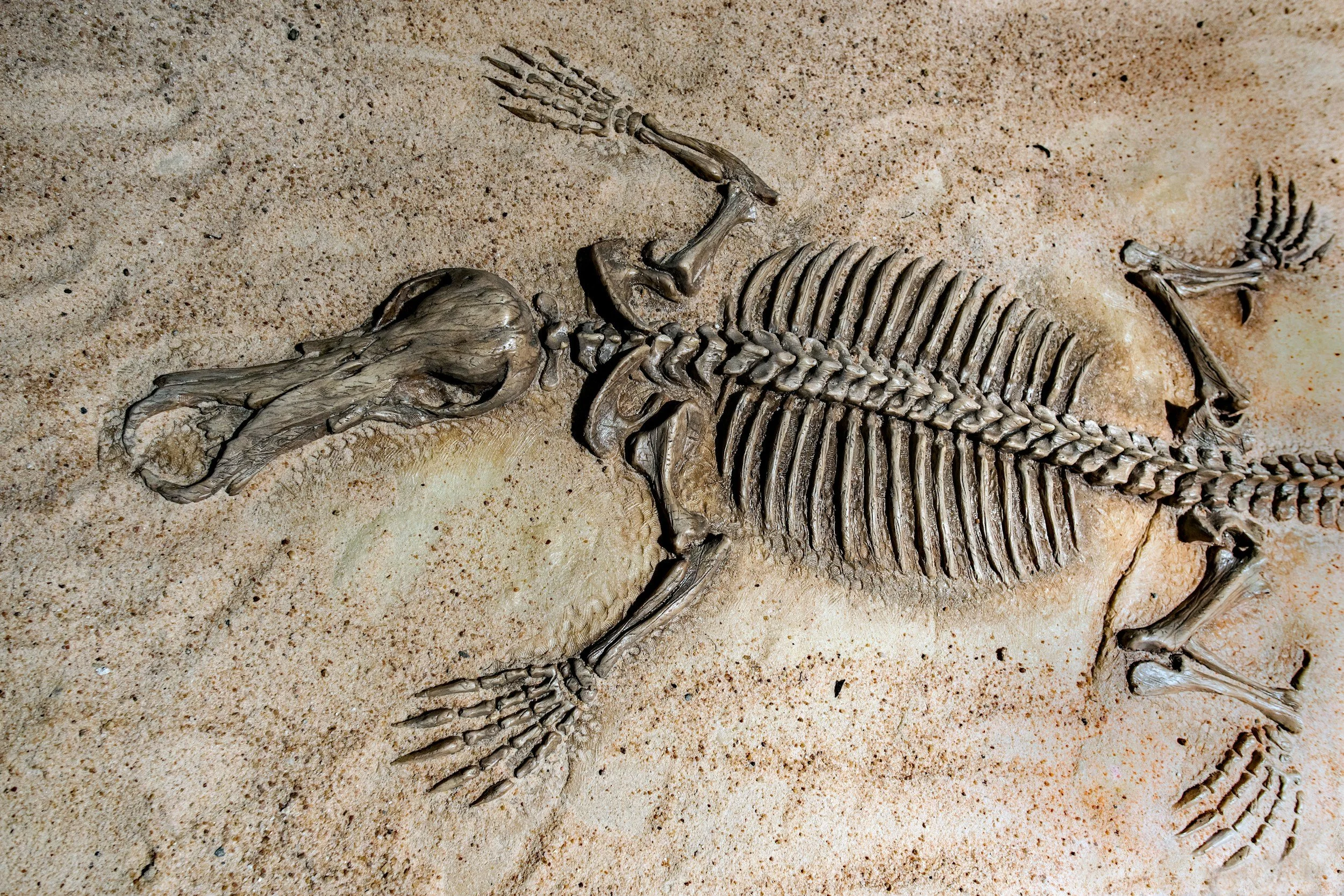
In Grade 4 science, students learn about fossils—the preserved remains or impressions of plants and animals from the past. They investigate how fossils are formed in sedimentary rock and how they provide clues about what Earth looked like millions of years ago. For example, shell fossils show that an area was once under water. Fossils help scientists piece together the story of life and environmental change over time.
This topic is part of the Earth and Space Systems: Rocks, Minerals, and Geological Processes strand in the Ontario Science and Technology Curriculum.
Students are expected to describe how fossils are formed and explain what they reveal about Earth’s history (Overall Expectation E2.5).
Read Me
Try Me
Hey Parent, Supporting vocabulary at home helps children not only remember science facts but also develop stronger reading and critical thinking skills across subjects.
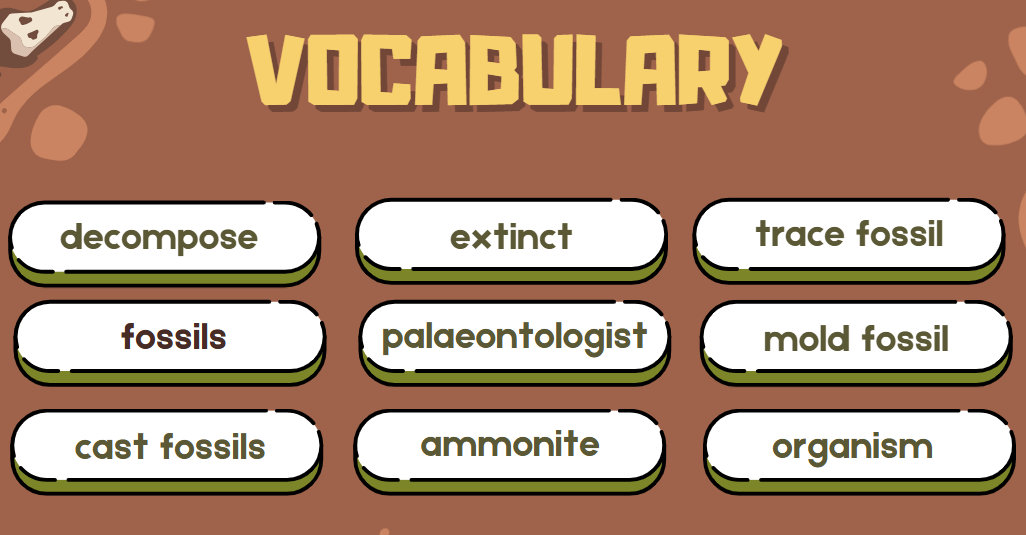
See the list of key words included in this lesson plan and review them regularly with your child—this helps reinforce classroom learning and builds confidence when they use these terms in discussions or activities.
Worksheets for Practice
This worksheet uses the topic of fossils to build reading comprehension skills while reinforcing science learning. Students will read a short passage about how fossils are formed and what they tell us about Earth’s history, then answer questions to check understanding.
Why it helps:
Practicing with content-based reading passages strengthens skills that are tested in the EQAO exam—such as identifying main ideas, using context clues, and making connections. By linking science knowledge with reading practice, students prepare for success in both literacy and science.
Engaging Science Video
Watch this amazing Video from Science Trek about Fossils. Science Trek is a local public television program presented by IdahoPTV.
Watch this amazing Video from American Museum of Natural Science about Fossils. Maybe you’ve seen a fossil T. rex, or a fossil wooly mammoth. But what exactly Is a fossil? Can a fossil be a plant, or a footprint? Does a fossil have to be a dinosaur?
Watch this amazing Video from CBC Kids about Fossils. Ever wonder how dinos get into museums? Janaye is in Drumheller, Alberta to dig into it!